
The theology of politics and power taught in the church today is overly simplistic and flawed. The general lesson seems to be this: God appoints all people to power, unless they’re not a Republican, in which case the power was stolen and possibly Satanic.
This, of course, makes no sense and is a belief completely driven by ideological bias. Good theology cannot be right when we like a president and wrong when we don’t. Furthermore, no one wants a theology that believes all political leaders throughout history have been appointed by God, lest we be left with a God that raised up Hitler.
The portrait the Bible actually paints of politics and power is not overly complicated to understand, but it does require us to grasp some theological themes that don’t often come up in church.
The Bible writers tell the story of the Tower of Babel as an answer to the question, “Where did the nations come from?” They recall a time when humans were not spreading out as God commanded, but were gathering in one place for strange religious purposes. They were trying to build a stairway to Heaven, either so they could get to the gods, or so the gods would come down to them. As a consequence, God scrambled their languages, which forced them to naturally spread out as they divided into nations.
A shift also happened in the spiritual realm at that time. Since the nations wanted the lesser gods instead of the one true God, God decided they could have them. Deuteronomy 32:8 informs us that other spiritual beings God had made were appointed to reign over the new nations. In other words, the false gods aren’t false in the sense that they’re fake—they’re false in the sense that they’re not to be worshipped. The little-g-gods are actually real, and they have been delegated power and authority to rule over the nations. They are what Paul called “principalities and powers.”
It seems reasonable to assume that these lesser gods were good beings meant to lead their nations in the way that God would have done himself, but that’s not how the story goes. Indeed, an angel informed Daniel that he had to fight the principalities and powers just to deliver a message to him. On his way in, he had to deal with the Prince of Persia, and on his way out, he’d have to fight with the Prince of Greece. Somewhere along the way, the good beings God had endowed with great power had turned to the dark side.
God calls these gods into his courtroom in Psalm 82 and charges them with great error. Their sins? They judged unjustly, supported the wicked, did not seek justice for those in suffering, did not uphold people’s rights, did not rescue the poor, nor did they deliver the oppressed from their oppressors. Their consequence? Though gods aren’t supposed to be able to die, God will one day end them for good.
Now you’ve probably noticed that the sins of the principalities and powers of the spiritual realm are the same sins as the principalities and powers of the earthly realm. This is because both spiritual and earthly princes sit on the same general seats of power, which God established to create order, since God is a God of order, not of chaos. The gods of the spirit realm must partner with the humans of the earthly realm if they are to bring about their will for the nations.
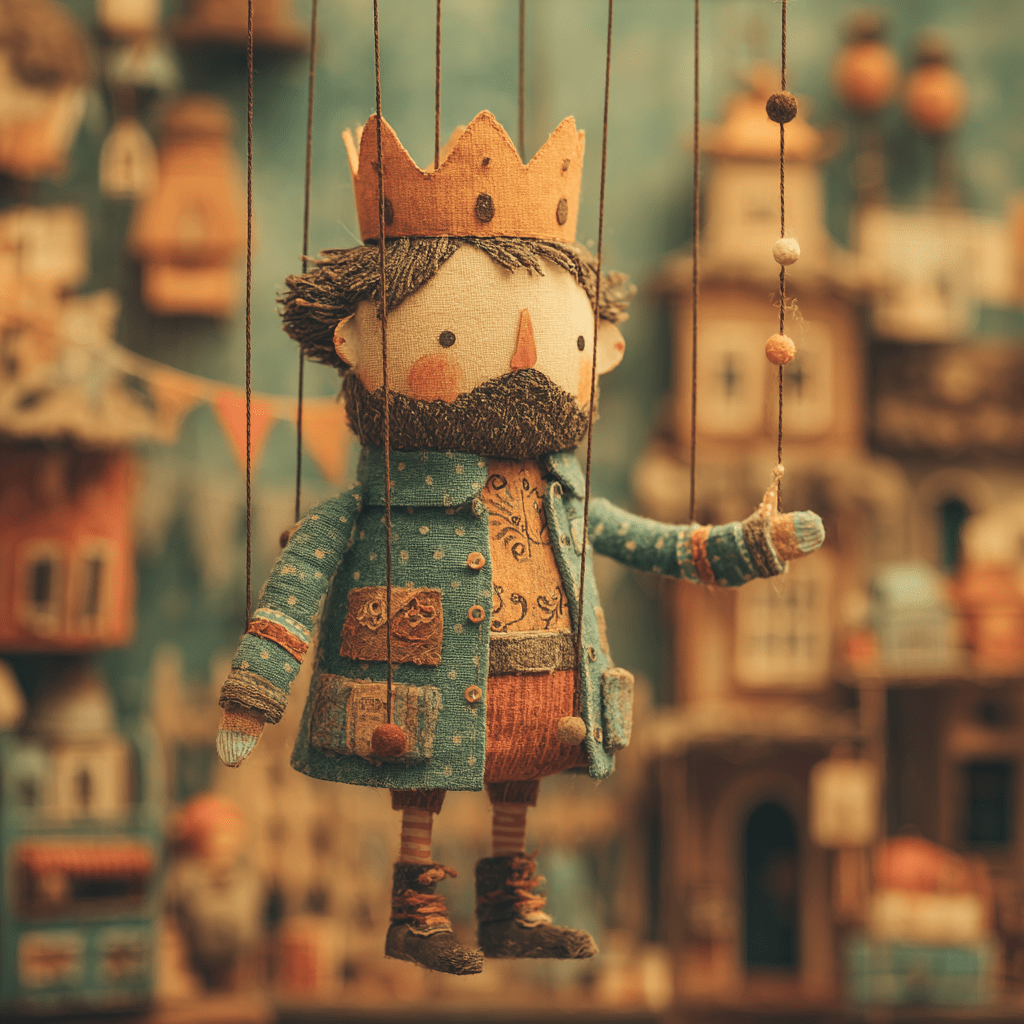
There are a few things we must note with this comment. Human powers are not gods or demons. While the space they are in is spiritually charged, human rulers can rule justly and righteously if they choose to do so. If they decide to partner with the gods, as so often is the case, then Revelation identifies them as a beastly marionette of the gods. When we experience the same sins that the gods were charged with, we are experiencing the gods at work in our human leaders and political structures. We must note that politics is a complicated space, so it’s hard to get everything right, which is why the character of the leader is so important. There are those who are trying to navigate things for the best, and those whose hearts, souls, and minds are ready to be weighed down by the gods.
All of this said, it’s important to recognize that it is the seats of power that are appointed by God, not necessarily the human leaders who sit in them. Hence, Hosea’s prophetic cry, “They made kings, but not through me. They set up princes, but I knew it not.” Even when God appoints a king to a seat of power, that human leader can become horribly corrupt, like King Saul did. If a God-appointed god-prince can fall, a God-appointed human-prince can fall too.
Jesus recognized that such power is God-given, which is why he could tell Pilate, “You would have no authority over me at all unless it had been given you from above.” However, that does not mean that such God-appointed power is used in a Godly way. For example, the charges made against the gods are the same charges we could make against Pilate for not protecting Jesus from an unjust crucifixion.
Power is not supposed to be abused like this, but we all know the story. After all, all human beings are made in the image of God, which gives them natural power and dominion over the earth. Yet, all humans have sinned and used their natural power and dominion to oppress the earth. God doesn’t take our lives every time we do that, or none of us would be here. Rather, he delegates power and allows us to use it. But instead, we abuse it.
Paul expected us to be obedient to empowered rulers because they are supposed to support justice and goodness. But having spent quite a bit of unjust time in jail, Paul knows the fuller theology of politics is not that simple, for they do not always pursue justice and goodness. And it’s for reasons like that that God must raise up prophets. They must speak truth to power. They must try to pull the human principalities out of the grasp of the spiritual principalities and remind them why they have such great power in the first place. They must try to break the spiritual haze off the hive-mind of the citizens who have not yet noticed that the gods have won them over. Whether anyone will listen or not, they must speak, or the words they hold in will make them sick.
In conclusion: seats of power exist in both the spiritual and the natural realms. They were created to carry out God’s goodness, righteousness, justice, and order, but they have been abused by the gods and humans who sit on them, just as we have all abused the natural power allotted to us as creatures made in the image of God. No matter the spiritual warfare we have to engage in, we all have the autonomy to make righteous decisions, and so we prophetically provoke human principalities in that direction, lest our nations be turned over to the weight of our power-hungry hearts, which carries natural consequences.
 Jamin Bradley
Leave a comment