
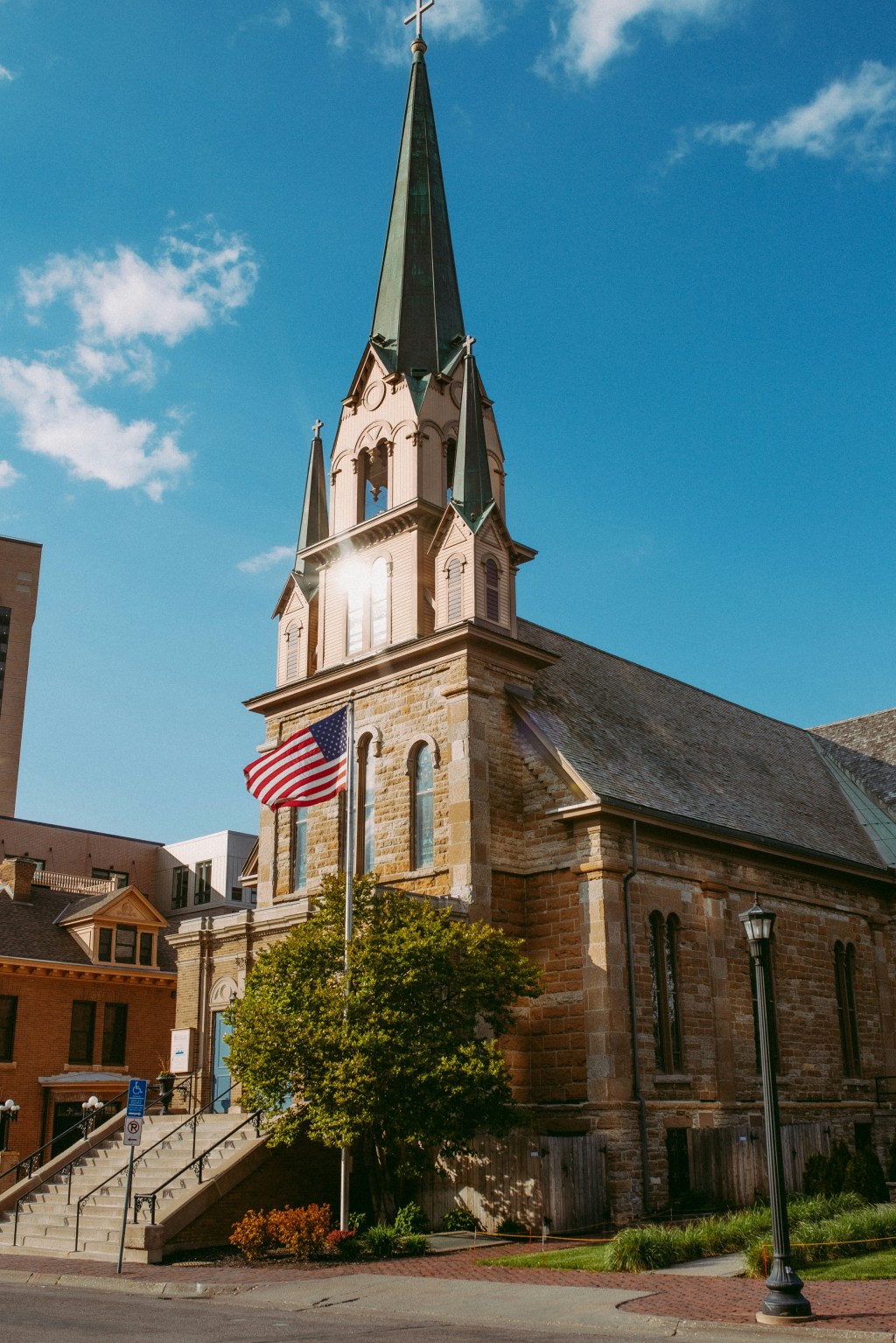
The COVID-19 pandemic was ruthless on pastors. Every single decision felt like a “damned if you do, damned if you don’t” situation. You got in trouble if you kept your church open, and you got in trouble if you closed it. You got in trouble if you required people to wear masks, and you got in trouble if you didn’t. Every word of our communications had to be carefully crafted to avoid offending others. We worked our butts off creating online services that nobody really cared about or watched.
But even more difficult than this was the social and political tensions we had to address during that chaotic season. Christians became anti-science and conspiratorial. Instead of advocating for justice and caring for minorities, many in the church fought against such efforts. Instead of calling out political nonsense, the church seemed to defend it or support it.
At the start of the pandemic, many pastors were taking a stand on these issues, but in the end, there seemed to be only a few. Too many of them had been crucified by their congregants early on for speaking out. They were walking on eggshells.
I started hearing a very similar testimony among pastors during that time. They each shared that they once made an online post, and their social networks blew up. At first, they were stunned by the comments, but after enough arguments, they decided that talking was pointless. “People never change their minds online,” they’d say. Or “ I don’t want to sow disunity in the church.” Or “Frank and Mary came after me, and they’re the greatest Christians I know! So maybe I shouldn’t speak.” Pastors used these kinds of logic to shut themselves up.
Many Christians have sacred idols they have not yet deconstructed, and it’s because pastors aren’t addressing the golden calf in the room. We all know the unspoken rule: American political issues are so deeply spiritual and important that pastors are not allowed to address them—unless the pastor shares the opinion of the majority of congregants. That is to say, pastors can generally say whatever they want politically, so long as it leans Republican or Conservative.
The room is rigged, and it’s because pastors have spent the last several decades only making certain kinds of political statements, using certain kinds of political buzzwords, and addressing certain kinds of political issues. No one has to ask how the church leans, because these “certain kinds” of things have already made it clear. Pastors and congregants who stray from these views often stay quiet for their own protection, lest they be told that they’re not a Christian.
The church needs help. It is not meant to be defined by what a political party thinks, but by what Jesus thinks. And there is no way that any political party anywhere in the world has captured that.


Leave a Reply